
A Little About Me
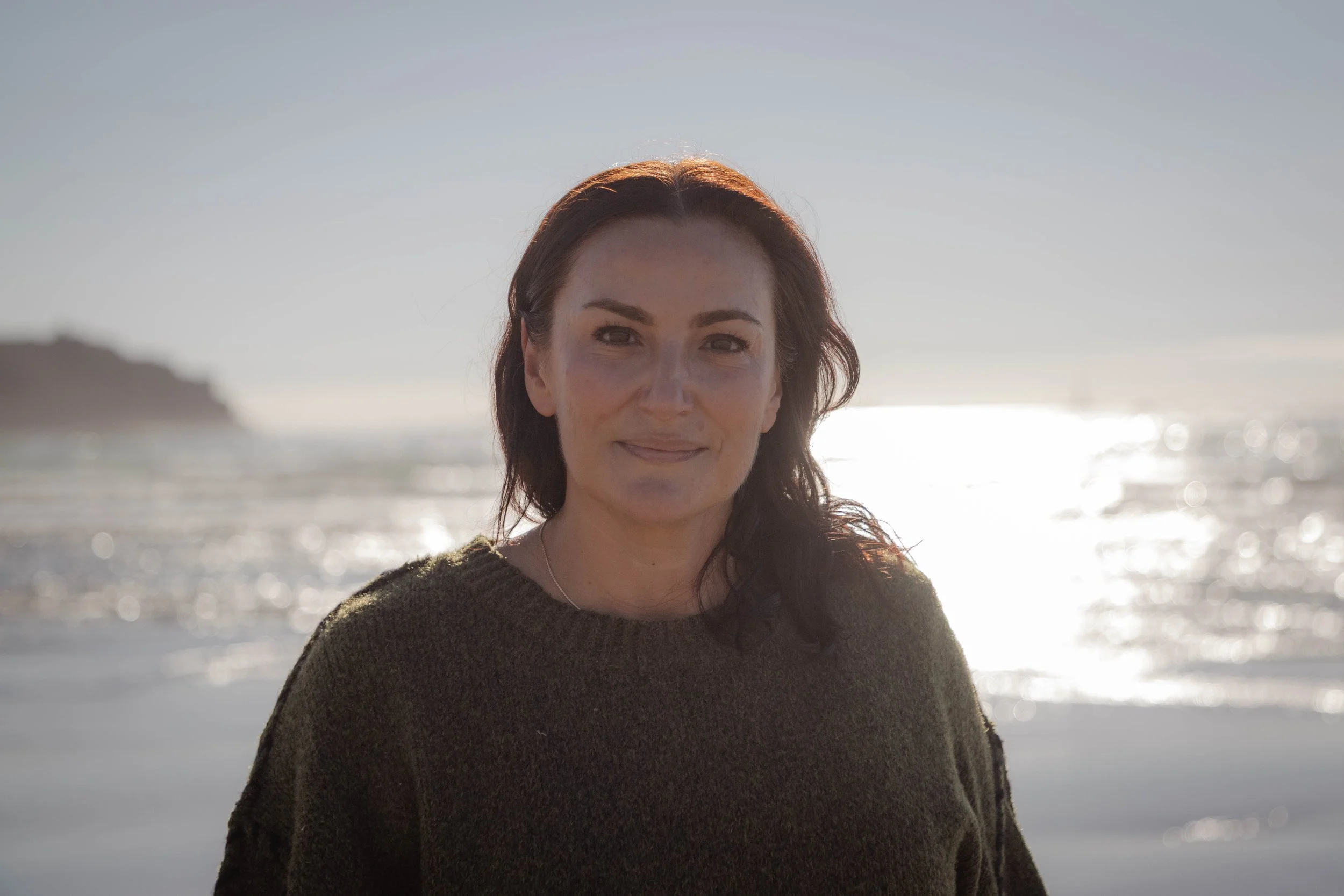
I’m Laura, a qualified integrative psychotherapist and BACP member, with a particular interest in trauma, relationships, and how our early experiences shape the way we relate to ourselves and others.
My approach has developed through my clinical experience and ongoing training in trauma-informed and somatic approaches. Alongside my wider therapeutic practice, I’m currently undertaking specialist training in narcissistic abuse and somatic trauma-informed coaching.
I believe therapy works best when it feels like a genuine human connection: a space where you can feel heard and understood without judgement, explore what lies beneath the surface, and gradually develop a deeper trust in yourself and your own experience.
How I work
I’m a relational integrative psychotherapist, which means I draw on different therapeutic approaches, adapting our work to you and your individual needs.
At the heart of my work is the belief that our relationships shape us.
The experiences we have early in life can influence what feels familiar to us later on: how we see ourselves, what we expect from others, how we respond when relationships feel uncertain, and what we do to maintain a sense of connection.
Sometimes these patterns begin as ways of adapting to the circumstances we find ourselves in. They may once have helped us feel safe or connected, but over time, they can leave us feeling anxious, overwhelmed, or disconnected from ourselves, or caught in relationships that no longer feel right for us.
Therapy offers a space to slow down, explore these patterns, and begin to understand them in a different way.
My role isn’t to tell you who you are or what you should do. It’s to help you make sense of your experiences and develop a deeper understanding of yourself, so you can begin to make choices that feel more conscious, considered, and true to you.
My approach
I offer a warm, collaborative and non-judgemental space where you can explore what’s happening for you, without needing to have everything worked out beforehand.
Depending on what brings you to therapy, our work might involve exploring your history and relationships, making sense of patterns that have developed over time, working with difficult emotions in the present, or developing a greater awareness of what’s happening in your body as well as your mind.
I draw on different therapeutic approaches, guided by your individual experiences, needs and pace. There’s no single way of working that suits everyone, and I don’t believe therapy should follow a one-size-fits-all model.
Your therapy will be shaped around you.
My interest in trauma and emotionally abusive relationships
Through my clinical work, I became increasingly aware of a recurring pattern: highly intelligent, self-aware women finding themselves caught in unhealthy or emotionally abusive relationship dynamics.
They often understood intellectually what was happening, yet still felt emotionally or physically pulled into the relationship.
They might find themselves over-functioning, second-guessing their perceptions, struggling to hold boundaries, taking responsibility for another person’s emotions, or repeatedly trying to restore connection.
This led me to deepen my training in trauma-informed and somatic approaches. I’m currently undertaking specialist training in narcissistic abuse and somatic trauma-informed coaching.
My interest goes beyond helping people recognise narcissistic or abusive behaviour. I’m particularly interested in what happens within us when we’ve been exposed to these dynamics, and why understanding something intellectually doesn’t always make it possible to change how we feel, respond or relate.
The effects can continue long after a relationship has ended, shaping how we see ourselves, how much we trust our own perceptions, and how we experience relationships in the future.
My work in this area focuses on helping people make sense of these experiences, reconnect with their own needs and perceptions, and gradually rebuild a sense of clarity, discernment and self-trust.